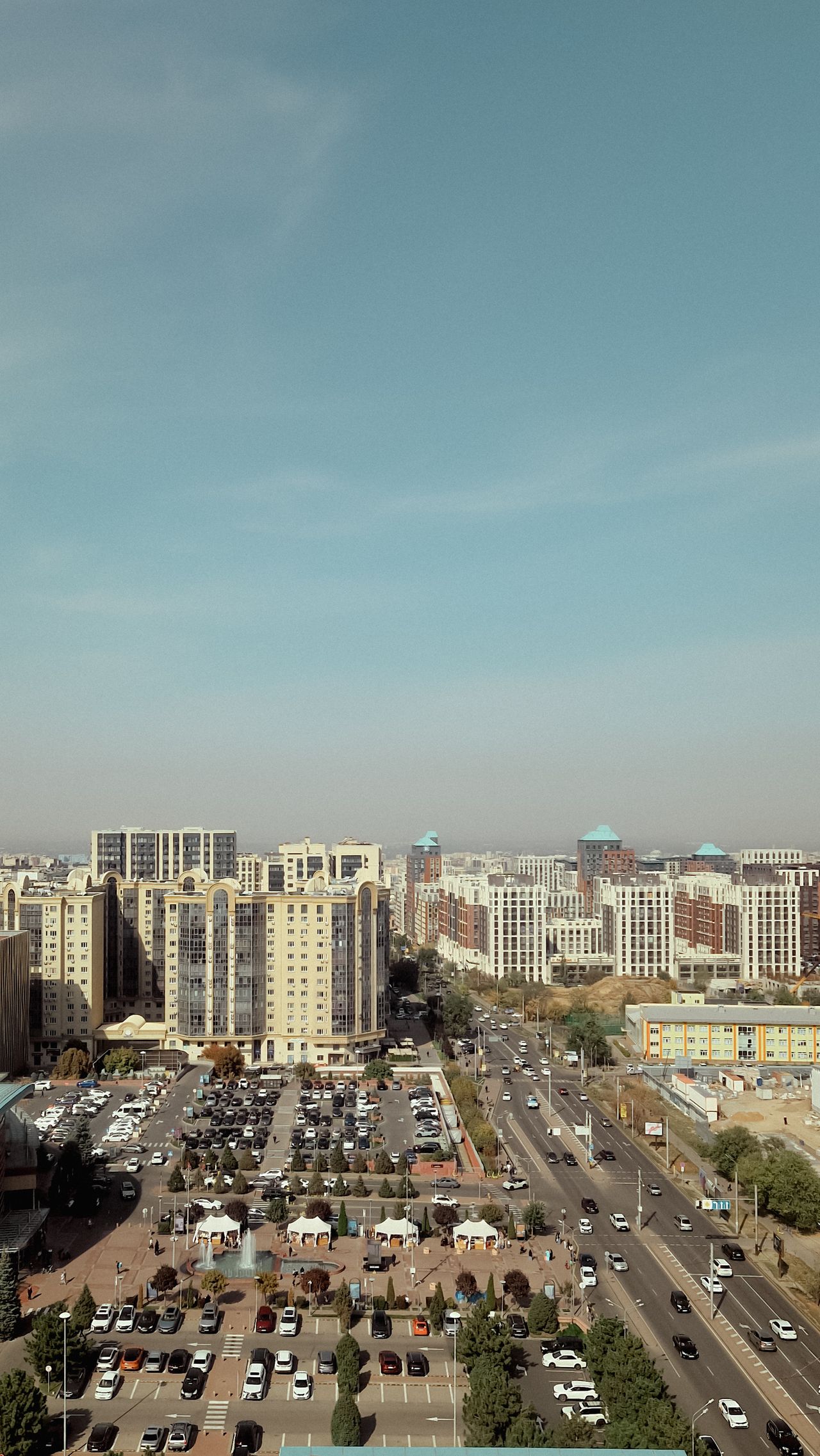
Taraz
Taraz is one of Central Asia's oldest cities. Its 11th-century Karakhanid mausoleums, including the exceptional Aïsha Bibi, bear witness to its role as a crossroads on the Silk Road.
Taraz is one of Central Asia's oldest cities, nestled in the Talas River valley in southern Kazakhstan. A crossroads of the Silk Road for more than a millennium, it preserves remarkable medieval mausoleums and an authentic Kazakh provincial atmosphere, far from mainstream tourist circuits. Its border location with Kyrgyzstan also makes it a logical stopover for travelers crossing the region.
Quick Practical Guide
- Access: Taraz Airport (TDK) with domestic flights from Almaty and Astana; railway station connected to major Kazakh cities.
- Recommended Duration: 1 to 2 days for the main historical sites.
- Dress Code: Modest attire recommended for visiting mausoleums (active pilgrimage sites).
- Language: Kazakh and Russian; English spoken mainly in hotels.
What to See
Taraz concentrates several well-preserved or restored medieval monuments. The Karakhan Mausoleum (11th century) stands in the city center, a relic of a Karakhanid ruler. A few kilometers away, the Aïsha Bibi Mausoleum (11th–12th century) is celebrated for its unique sculptured terracotta decoration in Central Asia. The neighboring Babaji Khatun Mausoleum completes this funerary ensemble.
History and Context
Founded over 2,000 years ago, Taraz is mentioned in medieval Chinese and Arab sources under various names (Talas, Taraz). The Battle of Talas (751) saw Abbasid armies clash with Tang Chinese forces—a decisive turning point that favored the spread of Islam across Central Asia. The city was destroyed by the Mongols in the 13th century, then gradually rebuilt. It was renamed Dzhambul during the Soviet era before reclaiming its historical name in 1997.
Highlights of Your Visit
Aïsha Bibi Mausoleum
This funerary monument from the 11th–12th century is covered in terracotta tiles bearing exceptionally fine geometric and floral patterns. Legend associates Aïsha Bibi with a tragic love story involving the Karakhanid ruler. The site is designated a national historical monument and remains a place of female pilgrimage.
Karakhan Mausoleum
Located in a downtown park, this 11th-century baked-brick mausoleum has been restored. It marks the site of a Karakhanid necropolis and offers a striking contrast with the Soviet-era urban landscape surrounding it.
Taraz Regional Museum
The regional museum displays archaeological collections from local excavations: ceramics, coins, and Silk Road artifacts. It provides valuable historical context before visiting outdoor sites.
Etiquette and Visiting Rules
- The mausoleums are active pilgrimage sites: behave respectfully and discreetly.
- Remove your shoes if required at interior entrances.
- Ask permission before photographing people at prayer.
- Dress modestly, covering shoulders and knees, for both men and women.
Photography Tips
The Aïsha Bibi Mausoleum is best photographed late morning, when sunlight illuminates the sculptured terracotta panels without harsh shadows. Frame the geometric details in close-up: the texture is remarkable. Avoid midday during summer—the light is too intense. No known photography restrictions on exterior sites.
Location and Access
Taraz is located in Jambyl Region, approximately 700 km southwest of Almaty by road. The airport connects to major Kazakh cities. By train, regular service runs between Almaty and Taraz. The city center is compact, with main sites accessible by taxi or local public transport. The Kyrgyz border (Ak-Tilek crossing) is about thirty kilometers away, allowing for a combined visit with the Bishkek region.
Nearby Attractions
- Aïsha Bibi Mausoleum — a masterpiece of medieval architectural ceramics, a few kilometers from the city center.
- Babaji Khatun Mausoleum — a conical funerary tower adjacent to the Aïsha Bibi site.
- Aksu-Zhabagly Nature Reserve — Kazakhstan's oldest reserve, in the foothills of the Tian Shan, about 100 km away.
Frequently asked questions
Spring (April–May) and autumn (September–October) offer pleasant temperatures. Summers are hot and dry; winters are cold with frequent sub-zero temperatures.
Modest dress covering shoulders and knees is recommended. The mausoleums are active pilgrimage sites; respect for local customs is expected.
Yes. The Kyrgyz border is nearby. Check visa requirements for your nationality before departure, as conditions vary.
By plane (domestic flight of about 1 hour), train, or long-distance bus. Travel time by road varies depending on your mode of transport.
One day is sufficient for the main mausoleums and regional museum. Two days allow you to explore the city at a leisurely pace and consider an excursion to Aksu-Zhabagly.
Want to discover this destination?
Our local advisors design your tailor-made trip.