Turkestan
Turkestan
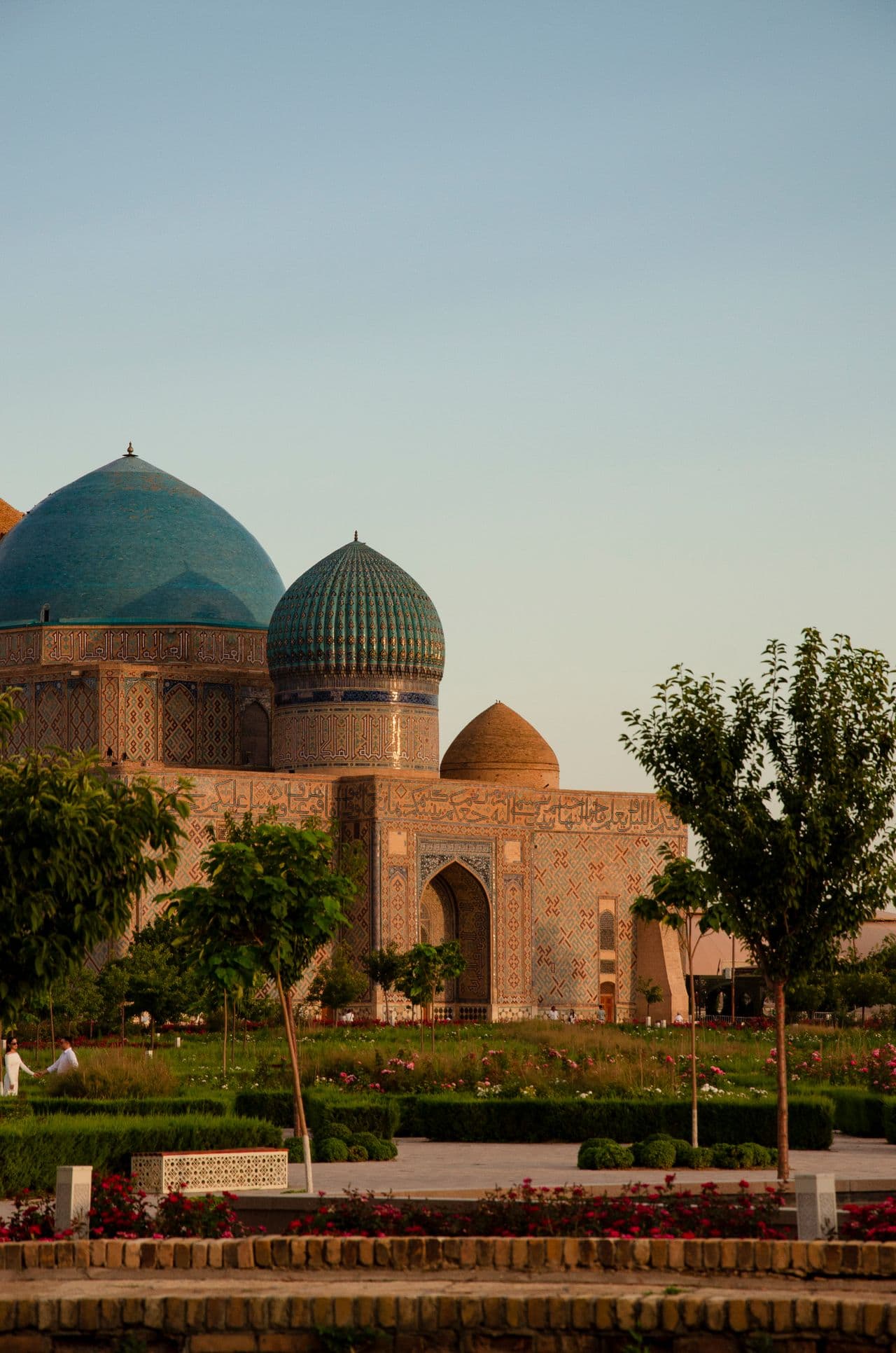
Turkestan, in southern Kazakhstan, is home to the mausoleum of Khoja Ahmed Yassawi, a Timurid masterpiece inscribed on the UNESCO World Heritage List and a major pilgrimage site for Turkic Islam along the Silk Road.
Turkestan is one of the oldest cities in Central Asia, situated in southern Kazakhstan near the Syr Darya river. Its worldwide fame rests on the mausoleum of Khoja Ahmed Yassawi, a medieval monument inscribed on the UNESCO World Heritage List and a major pilgrimage destination for Turkic Islam. A holy city, a crossroads of the Silk Road, and the historical capital of the Kazakh Khanate, Turkestan concentrates centuries of history, architecture, and spirituality in a single site.
Quick Practical Information
- Access: Train from Almaty (approximately 14 hours) or Shymkent (approximately 2 hours); Turkestan International Airport with flights from Almaty and Nur-Sultan.
- Dress Code: Modest attire required to enter the mausoleum and mosques (shoulders and knees covered; headscarf recommended for women).
- Recommended Duration: A full day for the Yassawi complex and historic center; two days to explore the surrounding areas.
- Language: Kazakh and Russian; English is still limited — an English-speaking local guide is helpful.
What to See
The heart of the city is the architectural complex of Khoja Ahmed Yassawi, a vast medieval ensemble surrounded by restored ramparts. Within the fortified perimeter lie the main mausoleum, several mosques, an archaeological museum, and historic baths. The new city, developed since 2018 after Turkestan became a regional capital again, contrasts with this ancient core through contemporary buildings inspired by traditional architecture.
History and Context
Founded over 1,500 years ago, Turkestan was formerly called Yasi. It became a major spiritual center thanks to the poet and Sufi mystic Khoja Ahmed Yassawi (12th century), founder of the Yassawiyya order. Tamerlane ordered the construction of his mausoleum at the end of the 14th century; work stopped at the ruler's death, leaving the building unfinished, which gives it a unique character. In the 16th century, Turkestan became the capital of the Kazakh Khanate. It was inscribed on the UNESCO World Heritage List in 2003.
Highlights of Your Visit
The Mausoleum of Khoja Ahmed Yassawi
Built of ochre-colored baked brick, it rises to nearly 39 meters beneath a turquoise dome. The interior houses the main hall with the taikazan, a two-ton bronze cauldron gifted by Tamerlane, as well as the saint's burial chamber. The acoustics and subdued lighting create a reverent atmosphere.
The Azret Sultan Archaeological Museum
Located within the complex grounds, it presents objects from local excavations: ceramics, coins, jewelry, and funerary stelae that trace the history of the Silk Road in the region.
The Mausoleum of Rabiga Sultan Begim
Located in close proximity, this small 15th-century mausoleum houses the tomb of a Timurid princess. Its blue and white tilework decoration is well worth noting.
The Historic Baths (Hammam)
The remains of the medieval baths, partially restored, bear witness to the sophisticated urban organization of ancient Yasi.
Etiquette and Visiting Rules
- Remove your shoes before entering prayer areas of the mausoleum.
- Speak quietly indoors; the site remains active for pilgrims.
- Photography is generally permitted in outdoor spaces; check restrictions inside with the custodian.
- Avoid visits during Friday prayer times if you wish to explore freely.
Photography Tips
Early morning light (shortly after opening) is ideal for photographing the mausoleum's main facade without crowds. In late afternoon, the raking light emphasizes the relief details in terracotta and brings out the turquoise tint of the dome. For a wide shot including the ramparts, step back toward the complex's central esplanade.
Location and Access
Turkestan is located in Turkestan region, approximately 160 km northeast of Shymkent. Turkestan International Airport connects to Almaty and Nur-Sultan. By rail, the station is well-connected to major Kazakh cities. The Yassawi complex is accessible on foot from the city center. Local taxis and minibuses provide access to outlying sites. Wheelchair accessibility remains limited on the ancient cobblestone streets of the complex.
In the Surrounding Area
- Shymkent — Kazakhstan's third-largest city, lively and commercial, approximately 2 hours by train.
- Otrar (Farab) — Archaeological site of the ancient medieval city where Tamerlane died, about an hour's drive away.
- Sauran — Ruins of a fortified Silk Road city, accessible by car from Turkestan.
Attractions in Turkestan
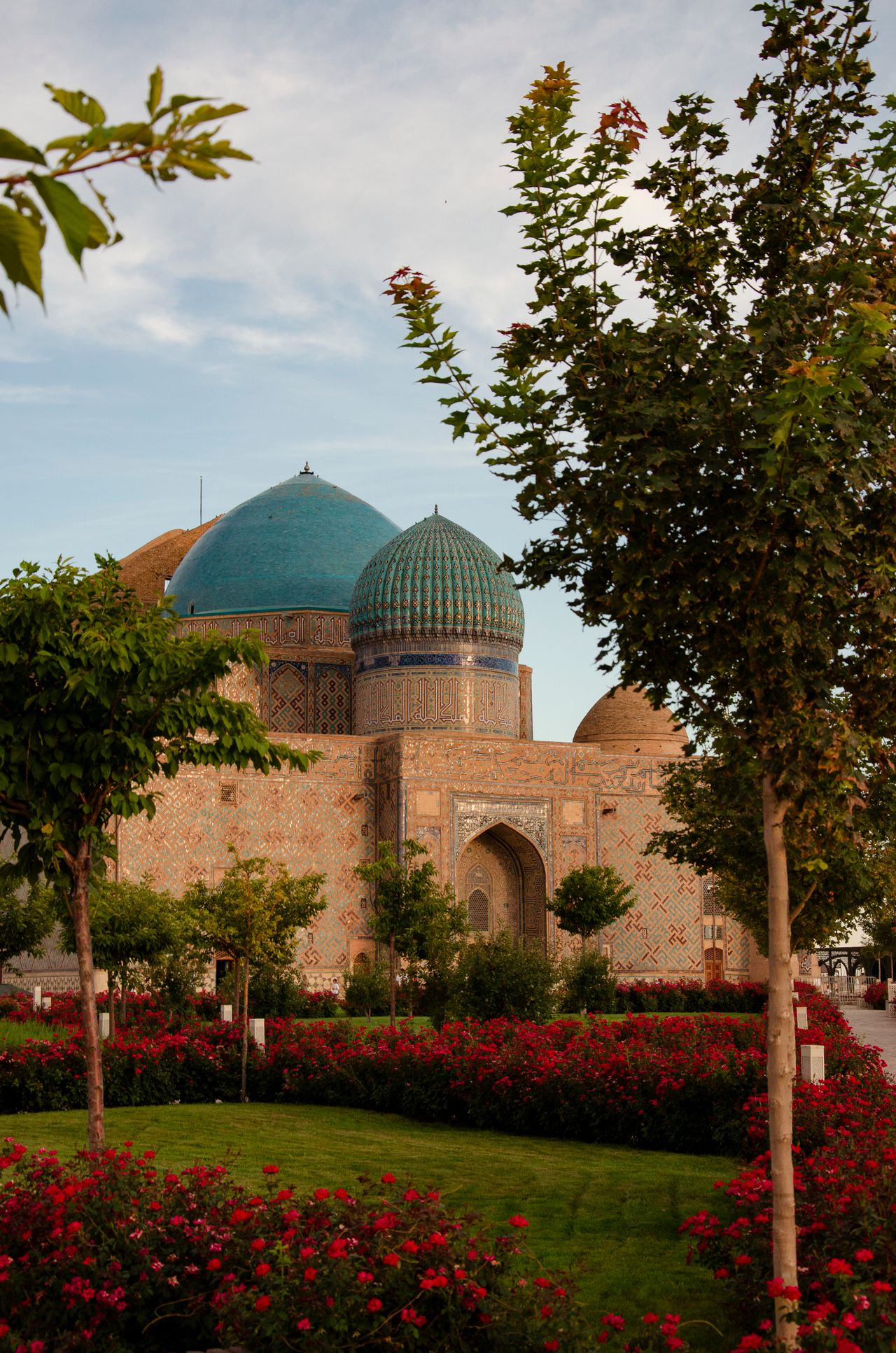
Mausolée de Khoja Ahmed Yasawi
Monument timouride classé UNESCO, le mausolée de Khoja Ahmed Yasawi à Turkestan abrite le tombeau du grand poète soufi et son célèbre dôme turquoise commandé par Tamerlan en 1389.
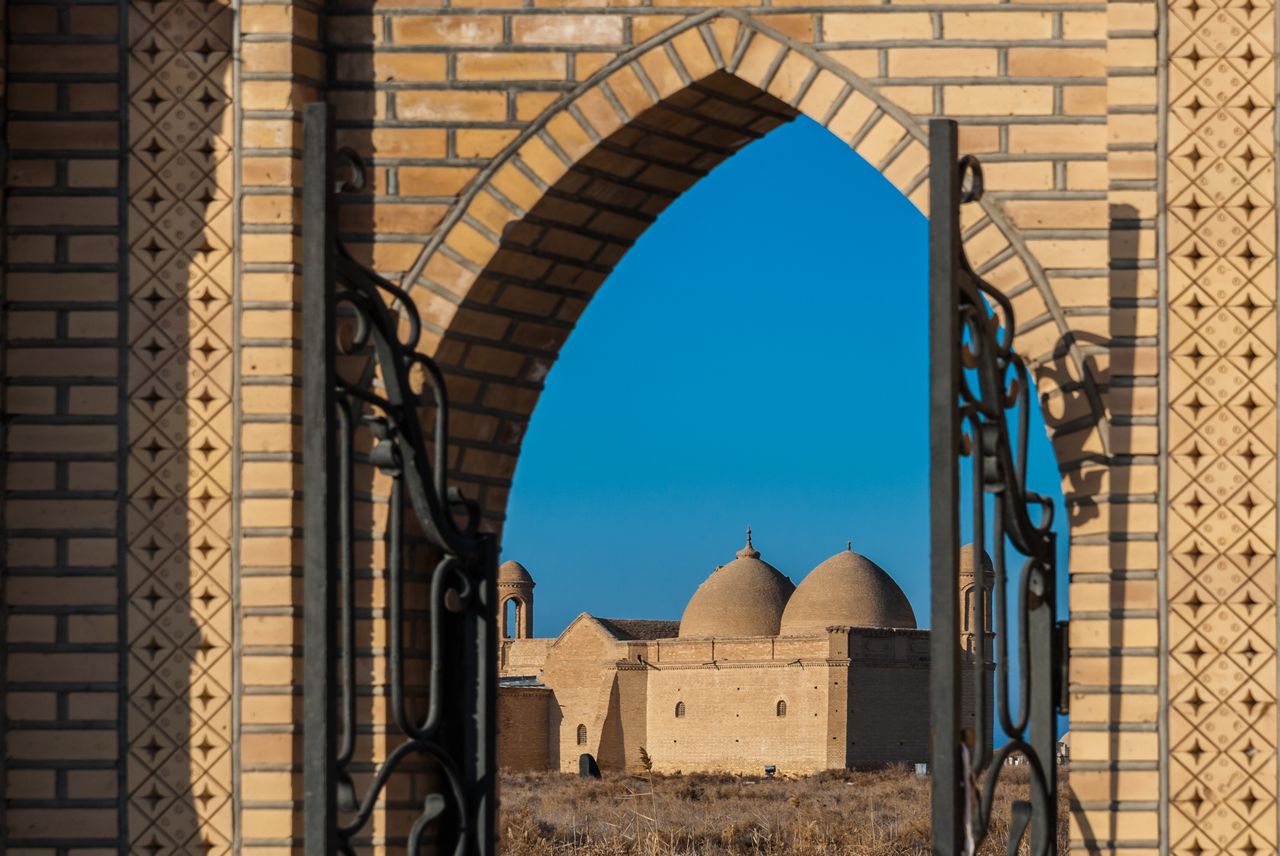
Mausolée d'Arystan Bab
Sanctuaire soufi du sud du Kazakhstan, le mausolée d'Arystan Bab attire des pèlerins d'Asie centrale venus honorer le maître spirituel de Khoja Ahmed Yassawi, avant de poursuivre vers Turkestan.
Want to discover this destination?
Our local advisors design your tailor-made trip.