Complete Guide to Kazakhstan
The ninth largest country in the world by area, Kazakhstan spans nearly 2,700,000 km², stretching from the Caspian Sea in the west to the foothills of the Tian Shan in the east. From our office in Almaty, we see travelers arrive each season amazed by this diversity: the golden steppes of the Akmola region, the red canyons of Charyn, the turquoise lakes of Kolsai at 1,800 meters altitude, and the Mangystau desert with its chalky formations along the Caspian shore.
Four regions structure a coherent journey. The southeast, around Almaty, concentrates accessible mountains, wild apple trees (where the apple finds its genetic origin) and alpine lakes. The center, around Astana, blends bold contemporary architecture with the Sary-Arka plateaus. The south, near Turkestan and Chimkent, preserves the memory of the Silk Road through its Timurid mausoleums. The west, more mineral-rich, opens onto the Caspian Sea and the lunar landscapes of Mangystau.
Two distinctive features strongly characterize a journey here: the still-living nomadic culture, reflected in the yurt, koumiss (fermented mare's milk), eagle hunting practiced by Kazakhs of the Altai, and the scale of distances, which requires combining domestic flights and long stages. Plan a minimum of 12 days for a first trip, 3 weeks to combine south and west without rushing.
The regions of Kazakhstan
Each region has its own personality: climate, landscapes, pace of life and ways of traveling. Our local team helps you choose the combination that suits you.
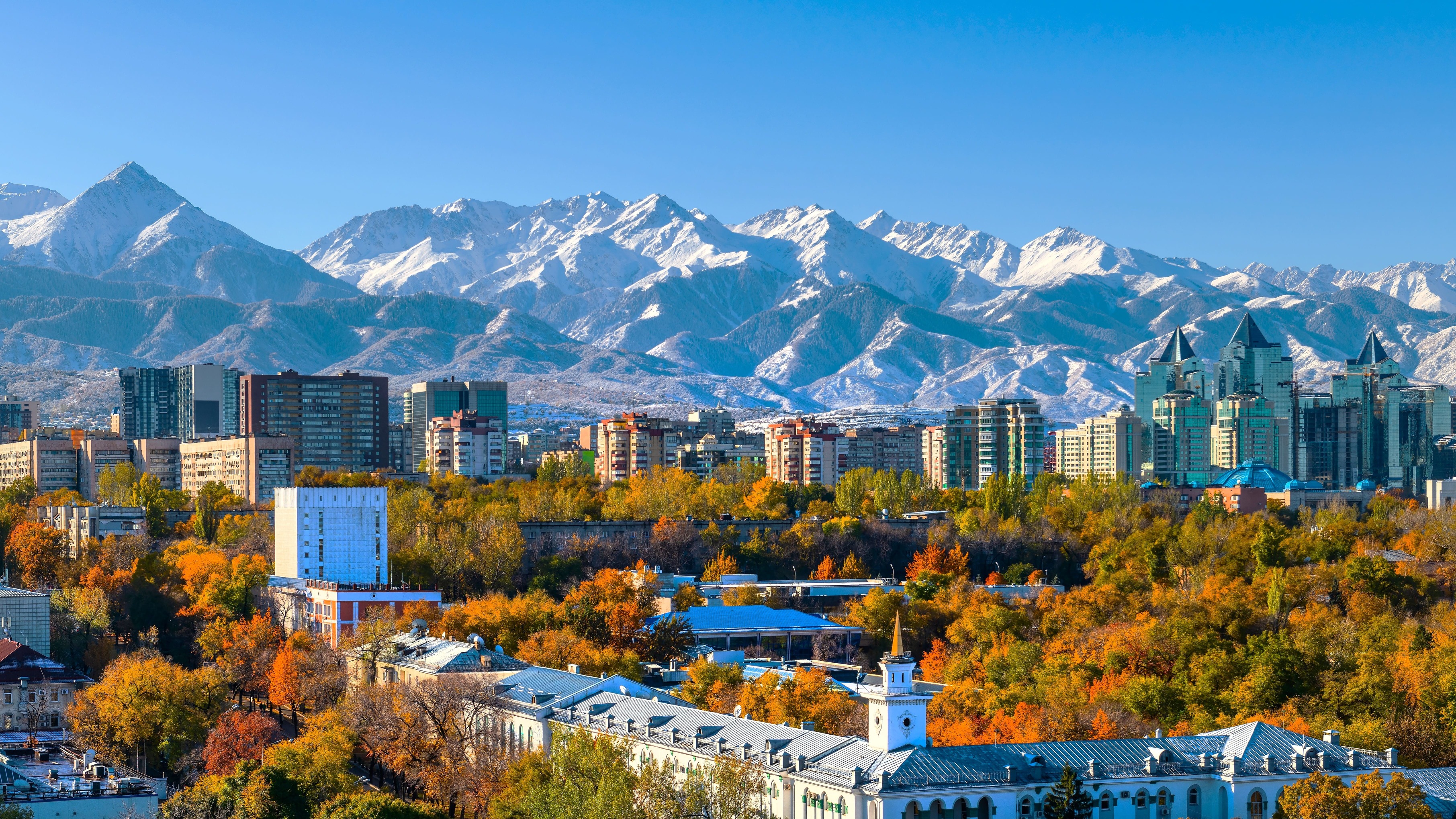
Almaty and Tian Shan
Our base. Almaty stretches at the foot of the Zailiski Alatau mountains, whose peaks exceed 4,000 metres. An hour's drive away, Big Almaty Lake reveals itself at 2,500 metres altitude, with turquoise waters nestled among pine trees. Further on, Kolsai and Kaindy lakes—the latter featuring submerged tree trunks—are accessible by 4x4 from the village of Saty. The region can be explored from April to October, with cool nights at altitude even in the height of summer. This is where we take both beginner hikers and experienced trekkers on trails lasting between 2 and 6 days.
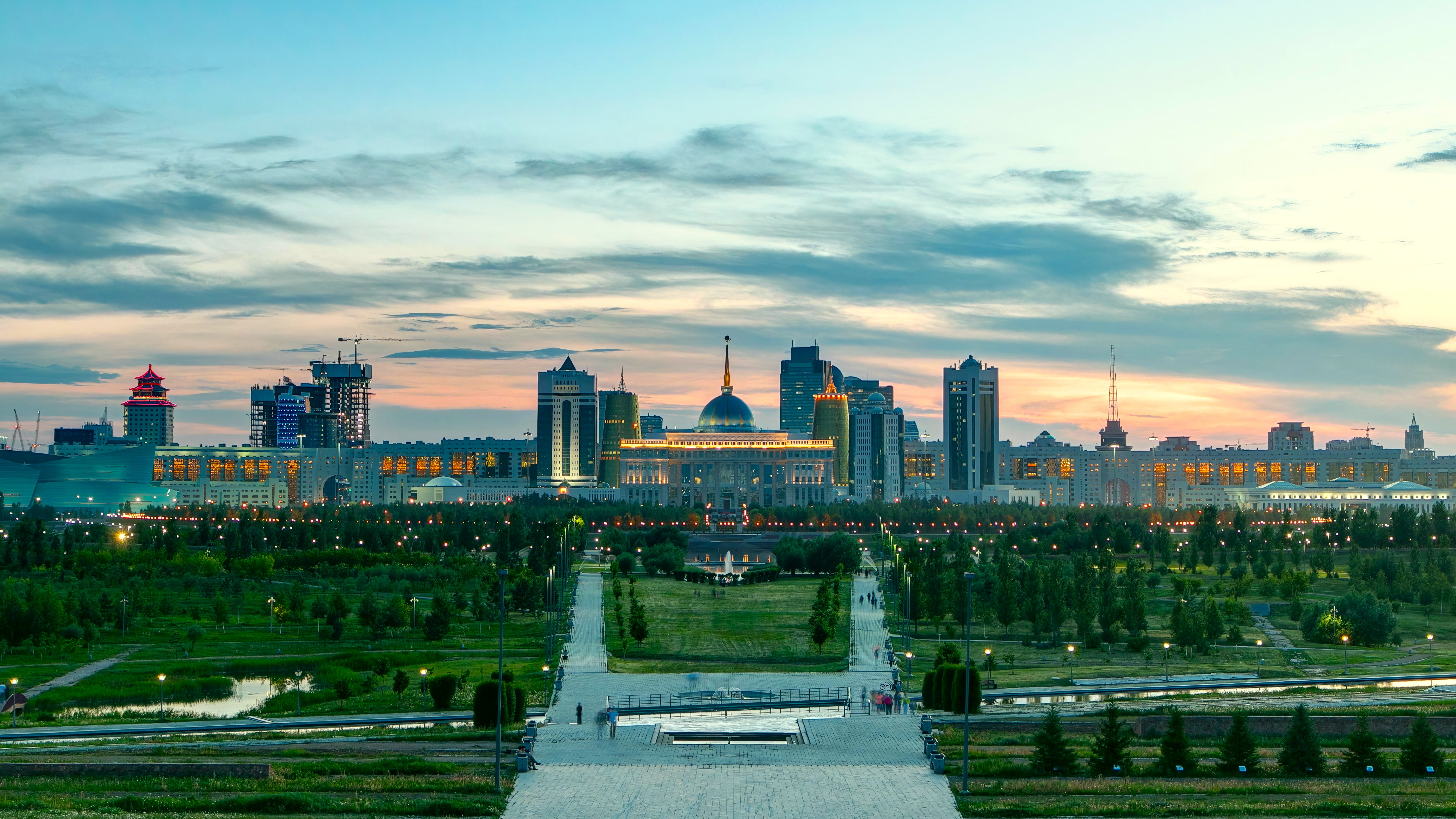
Astana and Central Steppes
Astana, capital since 1997, surprises with its architecture signed by Norman Foster and Kisho Kurokawa, set in the middle of the steppe. Winters drop to -30°C, summers climb to 35°C. A few hours' drive away, Burabay National Park lines up its pines, granite rocks and peaceful lakes, frequented by Kazakhs on holiday. Further south, the mausoleum of Khoja Ahmed Yasawi in Turkestan, UNESCO-listed, and the Begazy necropolis bear witness to the civilisations that crossed these plateaus. We recommend this region from April to October.
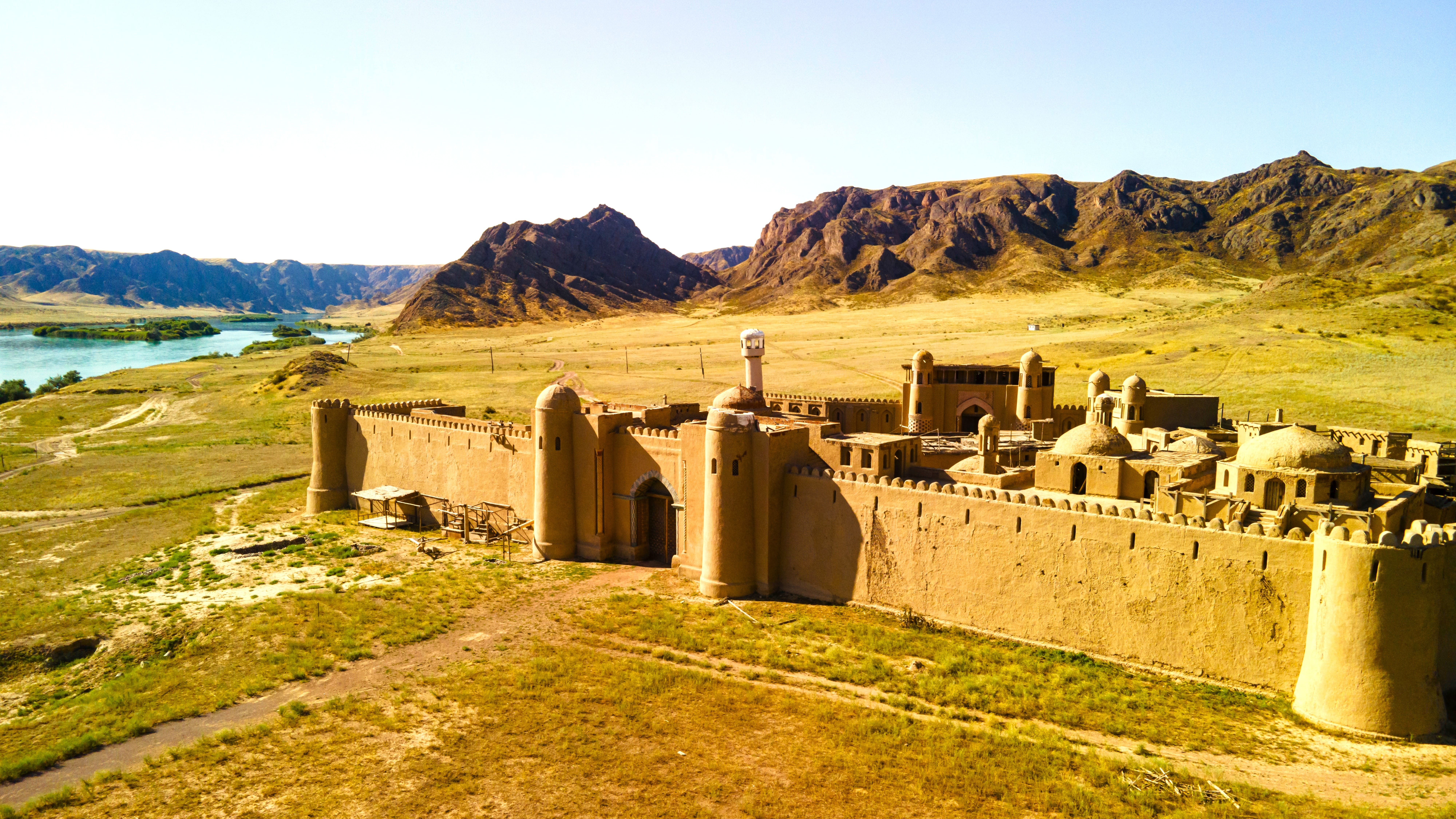
South and Silk Road
Around Chimkent and Turkestan, Timurid and Sufi heritage remains visible. The mausoleum of Khoja Ahmed Yasawi, commissioned by Tamerlane in the 14th century, remains the most imposing medieval building in the country. Chimkent's bazaars overflow with melons, dried apricots and spices. Further east, the Aksu-Jabagly valley, Central Asia's first nature reserve (1926), is home to wild Greigii tulips in April, brown bears and snow leopards. Temperatures climb to 40°C in July; prefer April-June or September.
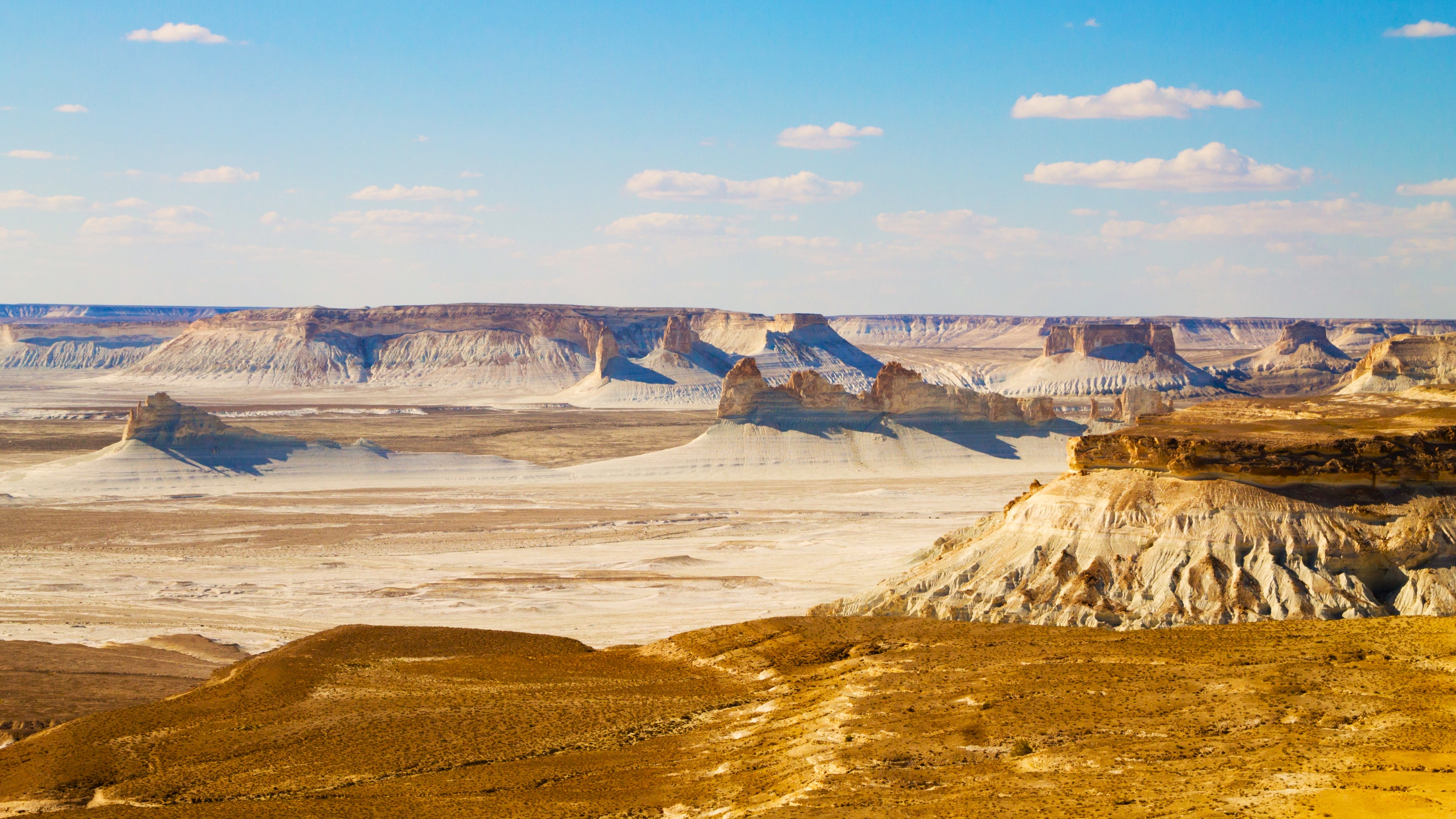
Mangystau and the Caspian
The country's west remains our best-kept secret. From Aktau, an oil city on the Caspian shore, tracks lead to Bozjyra and its chalky pinnacles rising from an ancient seabed, Tuzbair and its dazzling salt flats, or the Sufi necropolises of Beket-Ata carved into the rock. No trees, no villages for hours: a 4x4 and tent camping are essential. Temperatures reach 45°C in July-August, so we travel there from April to June and September to October, for a minimum of 5 to 7 days.
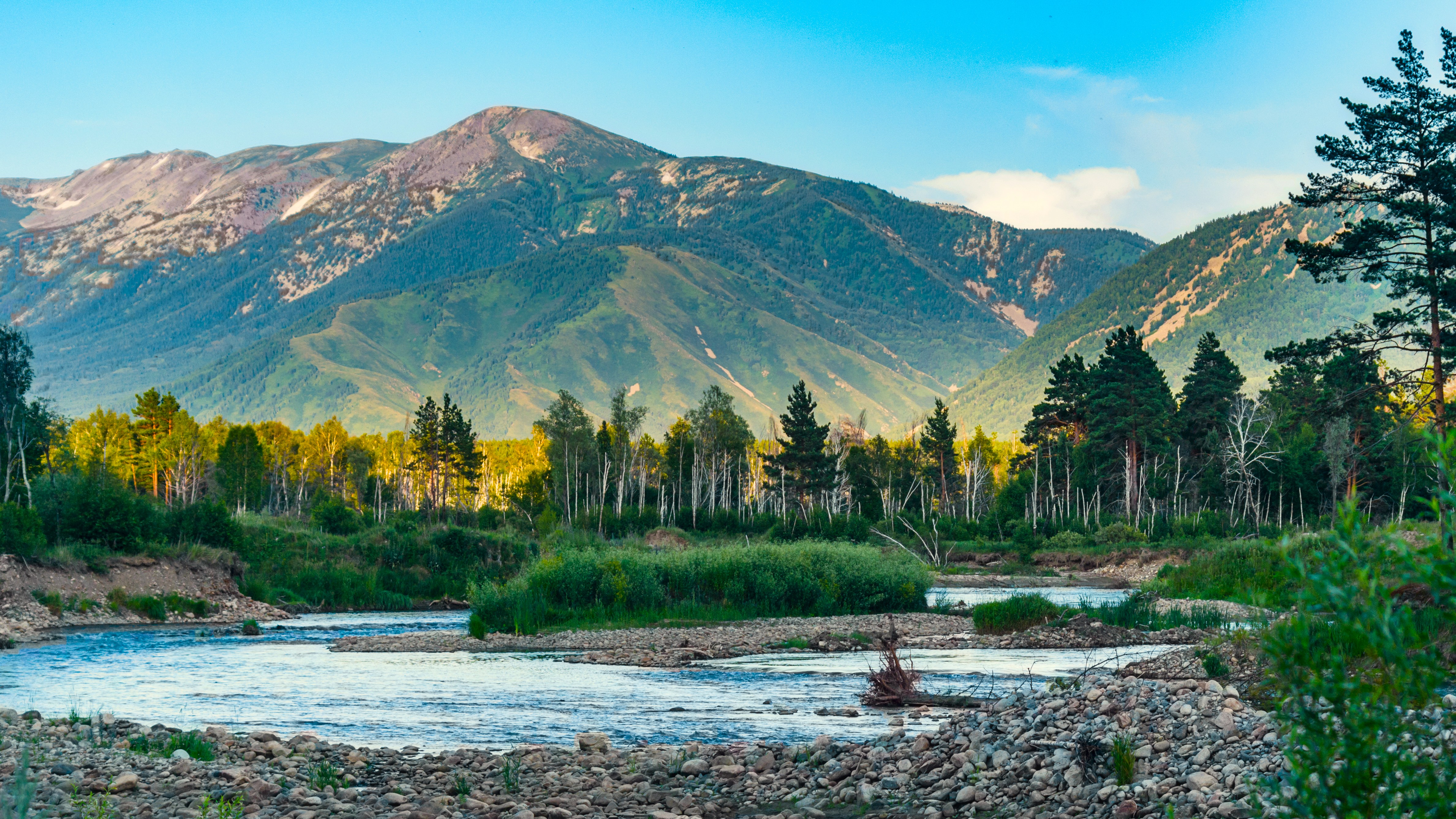
Kazakh Altai
The far east of the country, bordering Mongolia, Russia and China, is home to the Kazakh community still practicing royal eagle hunting. Around Öskemen and Lake Markakol, larch forests and snow-capped peaks contrast with the steppes. This is where you meet nomadic herders at summer pasture, sleep in a family yurt and share beshbarmak, the national dish made with lamb and wide noodles. Short season: June to September. Demanding logistics, domestic flights required from Astana or Almaty.
Explore by theme
Unique experiences tailored to every traveler.
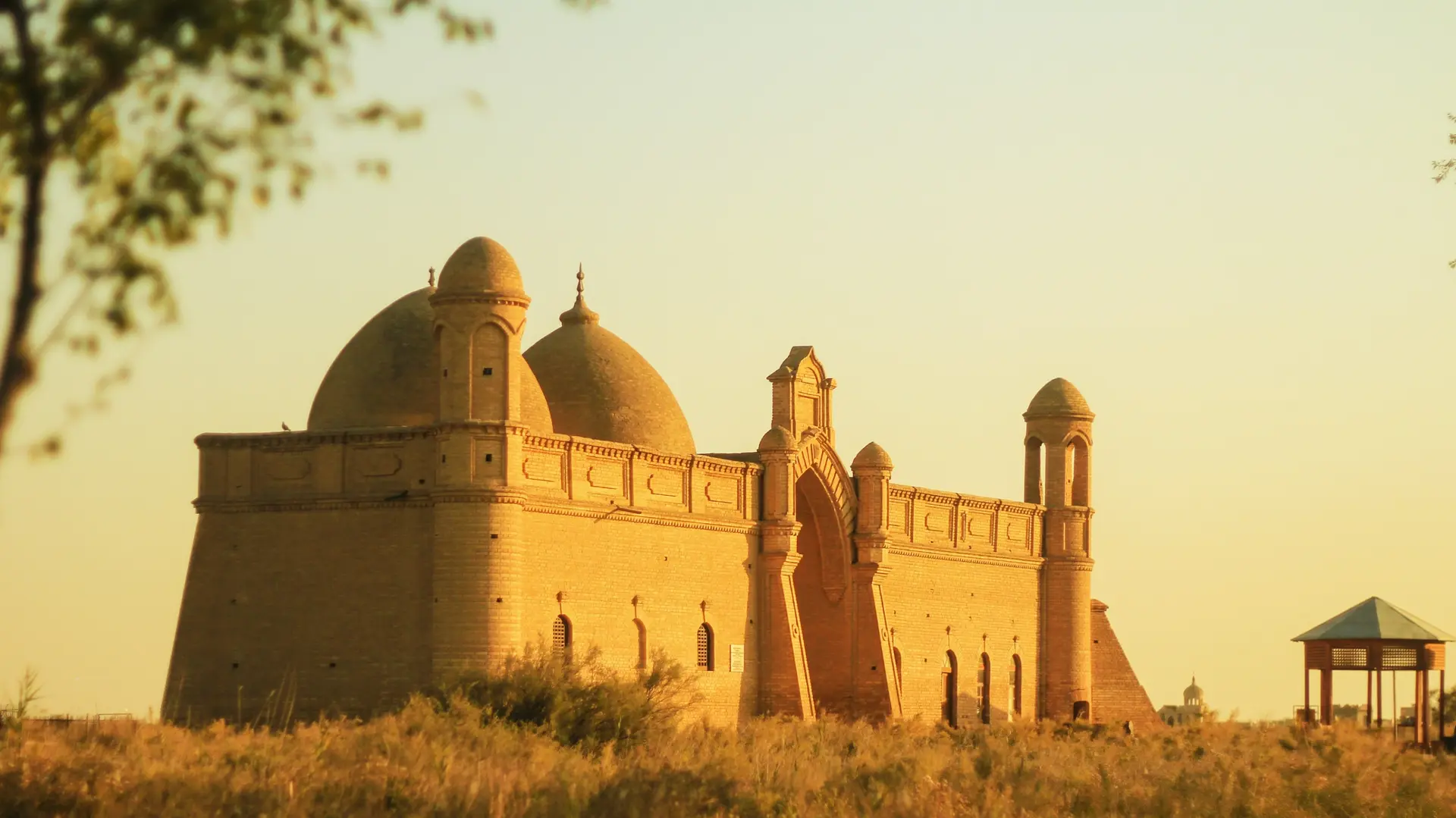
Culture & Heritage
Temples, musées, sites historiques
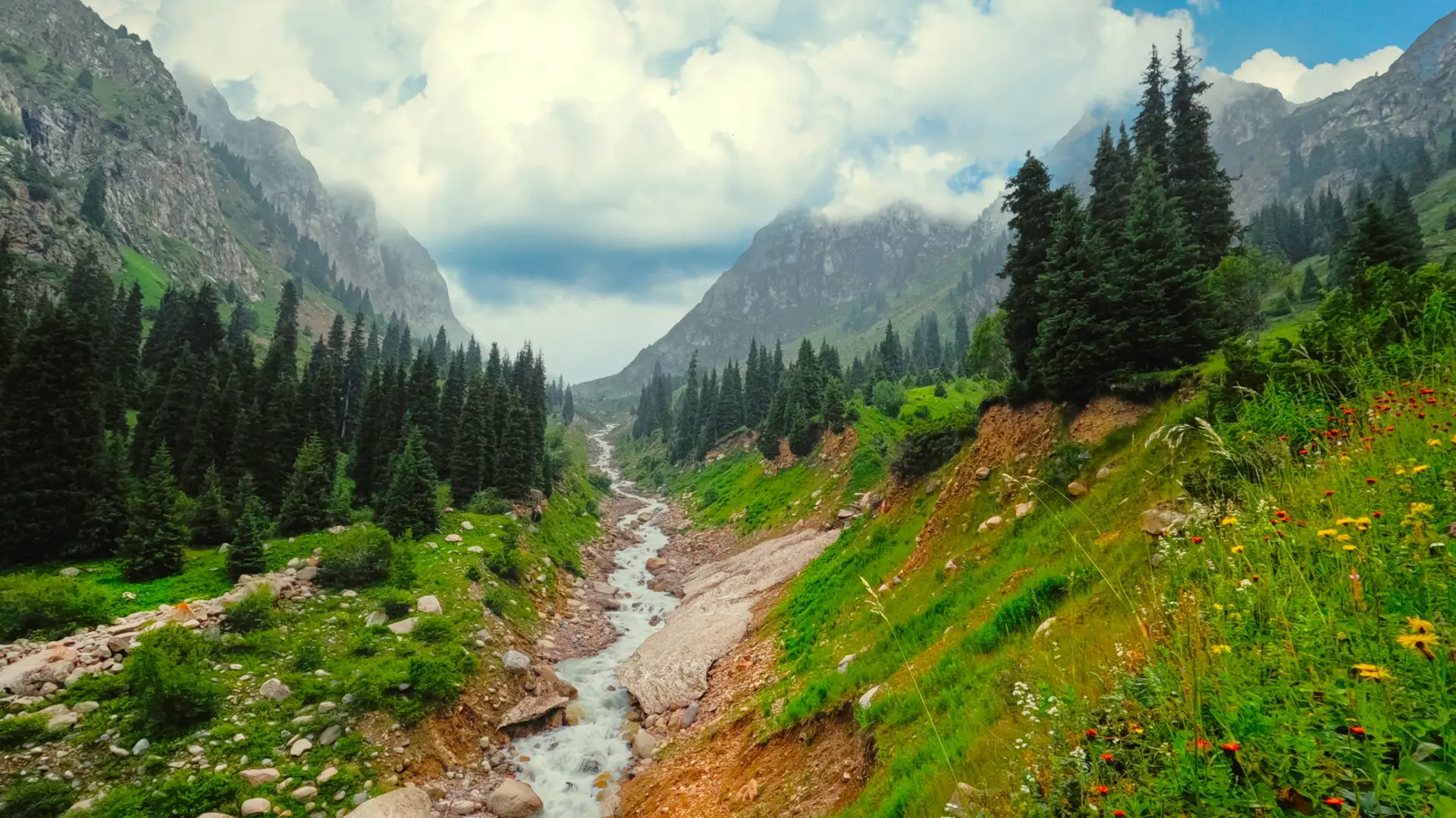
Nature & Landscapes
Parcs nationaux, montagnes, forêts
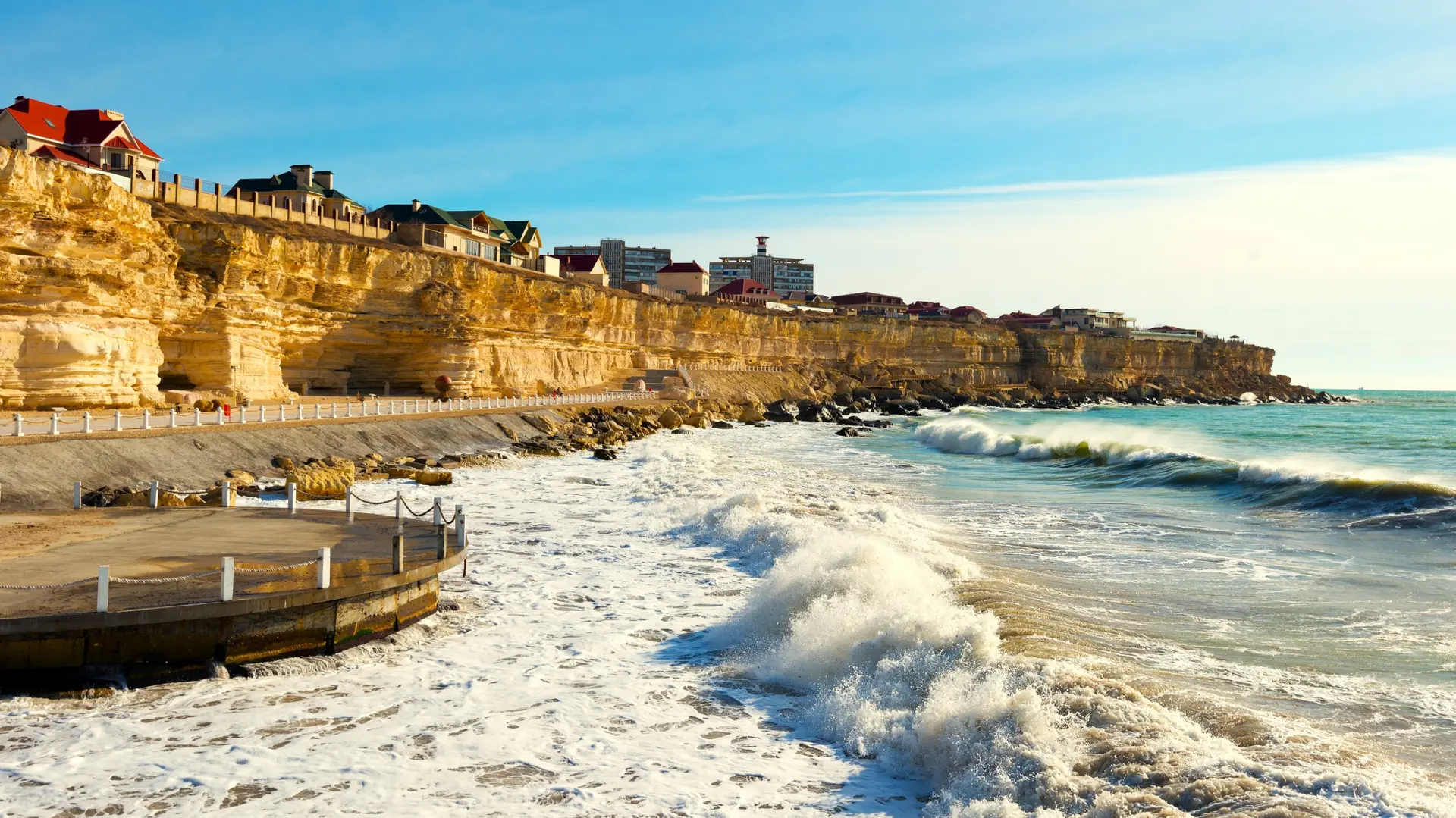
Sea & Beaches
Littoral, îles, sports nautiques
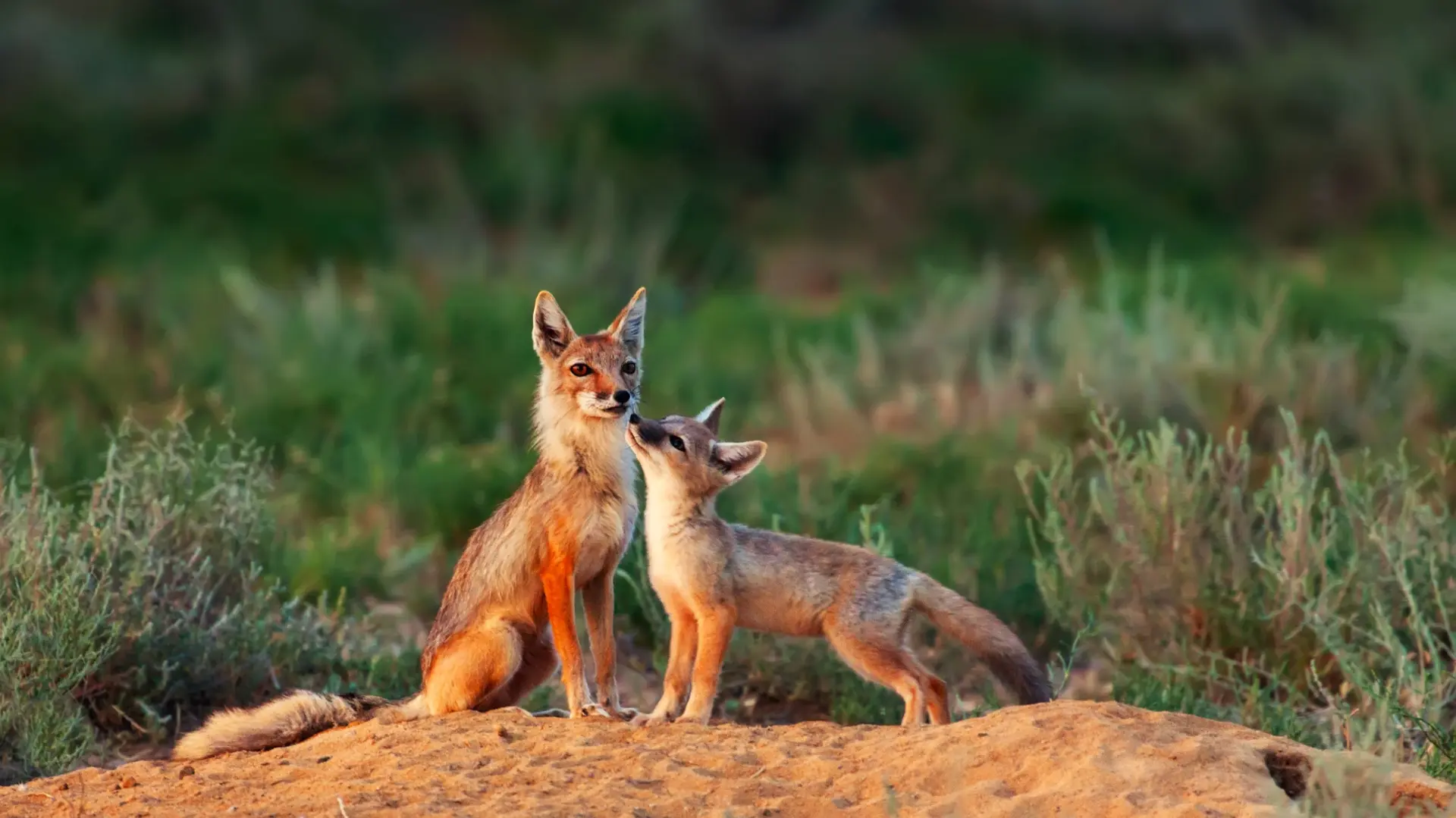
Wildlife & Biodiversity
Observation animale, sanctuaires, réserves
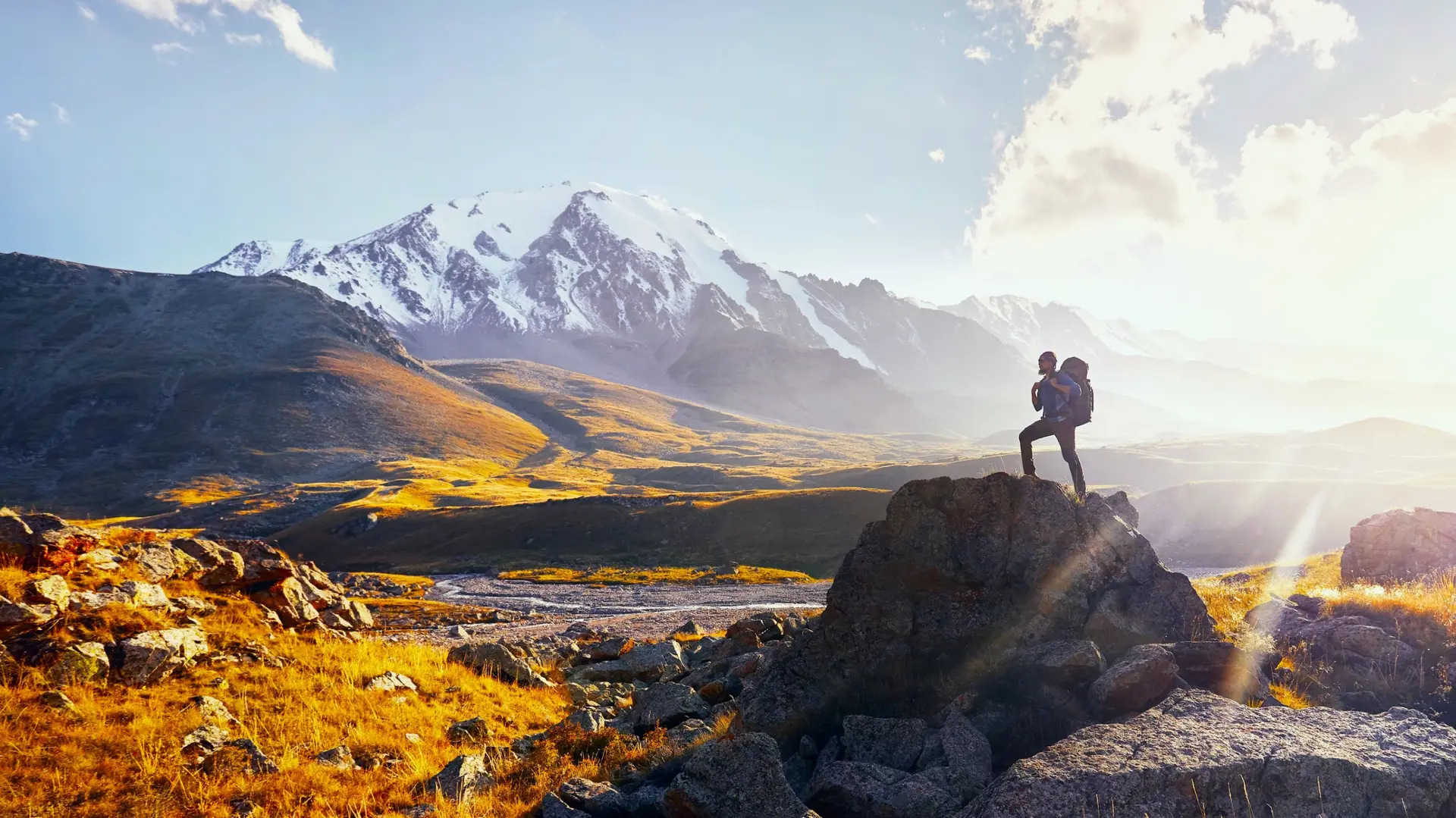
Activities & Adventure
Trek, kayak, escalade, sports outdoor
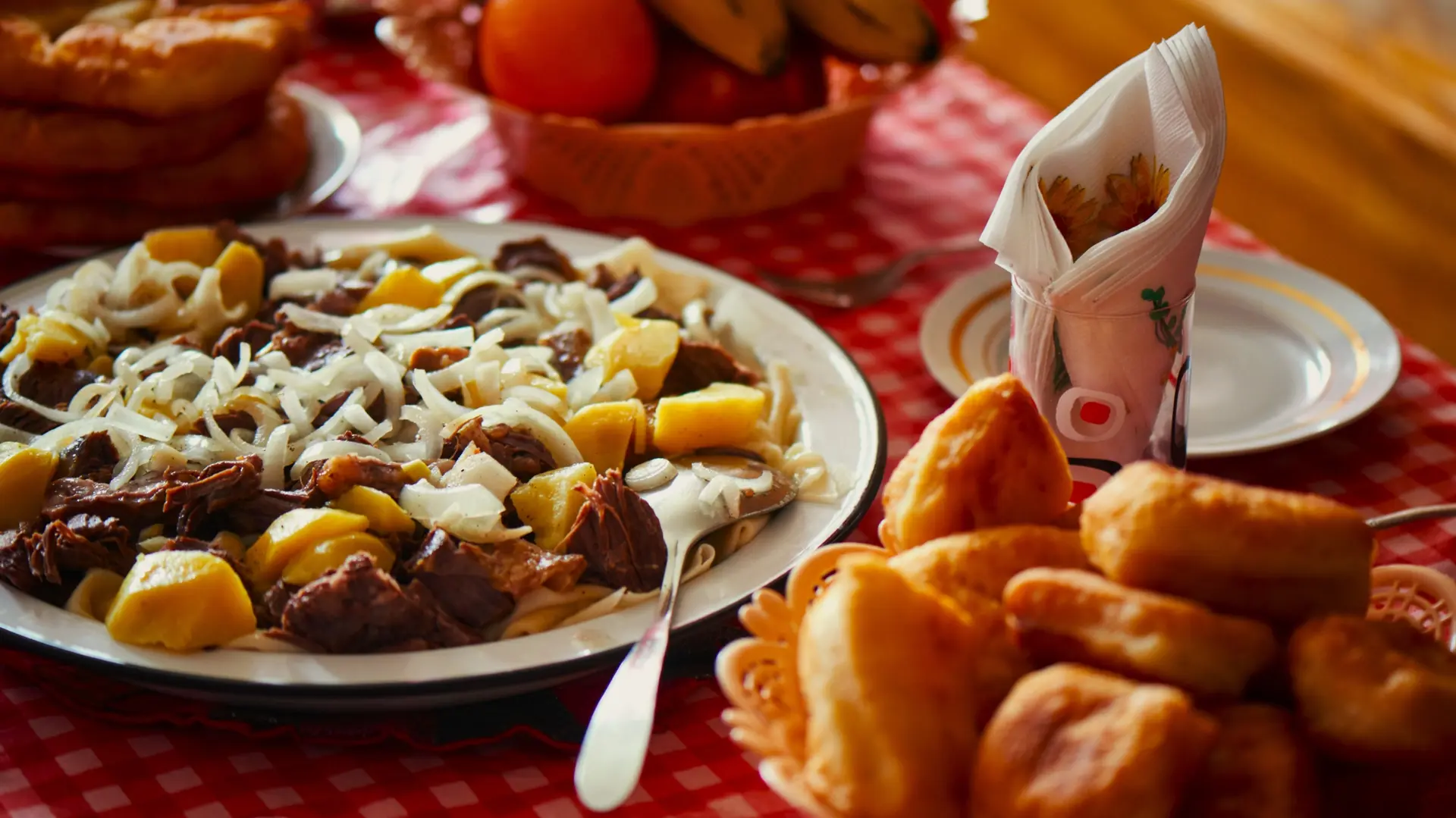
Gastronomy
Cuisine locale, marchés, cours de cuisine
We use cookies to improve your experience and measure our site's audience. You can choose what you accept. Learn more.