Lake Alakol
Lake Alakol
A salt lake in eastern Kazakhstan, Alakol combines black sand beaches, therapeutic mineralized waters and a UNESCO biosphere reserve on Central Asia's bird migration route.
Lake Alakol stretches across eastern Kazakhstan, at the border between the Abai and Jetisu regions, in the Balkhash-Alakol plain, approximately 347 metres above sea level. An endorheic salt lake 104 km long and 52 km wide, it covers an area of 2,696 km² whose waters change colour according to light, wind and depth — a distinctive feature that inspired its name: Alakol means "variegated lake". Located 180 km east of Lake Balkhash, near the border with the Xinjiang Uyghur Autonomous Region, it combines beach appeal, historical heritage linked to the Silk Road and biodiversity recognised by UNESCO.
Why visit Lake Alakol
Alakol attracts visitors for three main reasons. First, its mineralized waters: rich in chloride, sodium, bromine, fluorine and iodine, they are locally associated with therapeutic properties for skin, joints and respiratory systems. Second, its shores covered with black sand and shungite pebbles, which give beaches a distinctive appearance in Central Asia. Third, its UNESCO biosphere reserve status, obtained in 2013, which protects a dense ecosystem of nearly 400 vertebrate species and more than 40 migratory bird species.
The lake remains relatively unfrequented by foreign travellers, allowing for a more authentic experience than other Central Asian shorelines, provided you accept variable levels of comfort depending on the villages.
History of Lake Alakol
The lake has featured on caravan routes connecting China to Central Asia since antiquity. In the 1st century BCE, it marked the eastern edge of the Kangju state. The Kimaks called it Gagan, named after a city located at the site of the present-day village of Koktuma.
Under Timur (Tamerlane), the lake was nicknamed "It-Ichmes" — literally "no dog would drink from it" — referring to its high salinity, estimated at around 8 g/l at that time. The Franciscan William of Rubruck mentions it in his account of a 13th-century diplomatic mission, confusing it with an inland sea, so impressed was he by its expanse in the middle of the steppe.
Oral tradition recounts that armies on campaign, including those of Genghis Khan, would halt on its shores to treat wounds and fatigue in its salt waters. More recently, during the Soviet era, the lake welcomed cosmonauts convalescing after their space missions, as its combination of dry air, mud and mineral waters was used for rehabilitation.
What to see and do at Lake Alakol
Swimming and water activities
Coastal villages offer equipped beaches, equipment rental and classic activities: water-skiing, jet-skiing, wakeboarding, paddleboarding, pedalos and catamaran trips. Boat excursions allow you to follow the 348 km shoreline, deeply indented by the Bolshoi and Maly Balgyn gulfs, used as shelter harbours.
Bird watching
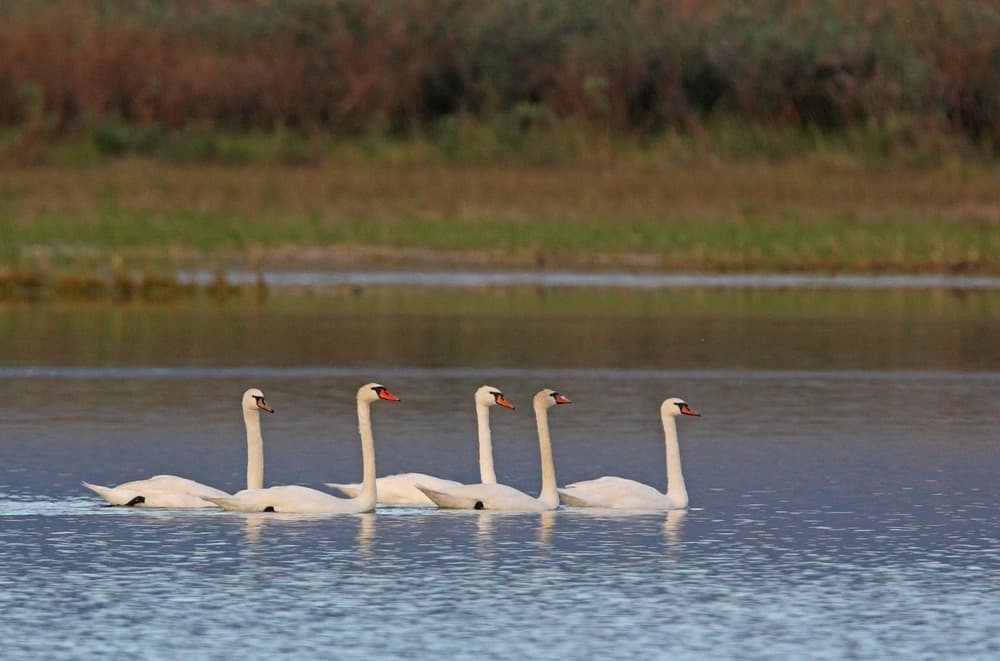
In the centre of the lake, the islands of Ulken Araltobe, Kishken Araltobe and Belkudyk constitute crucial nesting sites. They are home to the relict gull, the greater flamingo and the great white pelican, all three listed in the Red Book. These islands are part of the Alakol State Nature Reserve (20,000 hectares) and access is forbidden within 2 km of their shores. Observation is done from the boat, at a distance.
Wellness and spa treatments
Several sanatoriums and resort centres exploit the mineral mud and waters of the lake. Massages, therapeutic mud applications and salt water baths are among the treatments offered.
Heritage and surroundings
Around the lake, you will find petroglyphs and remnants of caravanserais linked to the Silk Road. The surrounding forests of Siberian pine and Tian Shan fir lend themselves to hiking, complementing lake activities.
Practical information
Three villages concentrate accommodation and services:
- Akshi and Koktuma on the south-west coast, the most accessible from Almaty;
- Kabanbay on the north-east coast, quieter.
The range spans from family hotels to sanatoriums, passing through guesthouses and campsites. Comfort levels vary: plan to compare several establishments and book in advance in July-August. Allow two to four days on-site to combine swimming, a bird-watching outing and an excursion to the islands.
When to visit
The swimming season runs from early July to mid-August, with water temperatures between 22 and 25 °C and air temperatures between 28 and 32 °C. Evenings drop to 15-18 °C: bring a fleece or light jacket even in the height of summer.
From May to June and in September, the water is too cold for swimming but conditions suit fishing, hiking and observing migratory birds, with significantly fewer visitors.
How to reach Lake Alakol
The lake is served by train, bus and car, with the road network having been renovated on most of the main routes.
- From the south (Almaty, Taldykorgan): direct buses to Koktuma and overnight trains, the most comfortable option for long journeys.
- From the north (Semey, Ayagoz): buses serving villages on the northern shore.
In high season, book train tickets in advance. Car rental offers the greatest flexibility for combining Alakol with other stops in south-east Kazakhstan.
What to see in the region
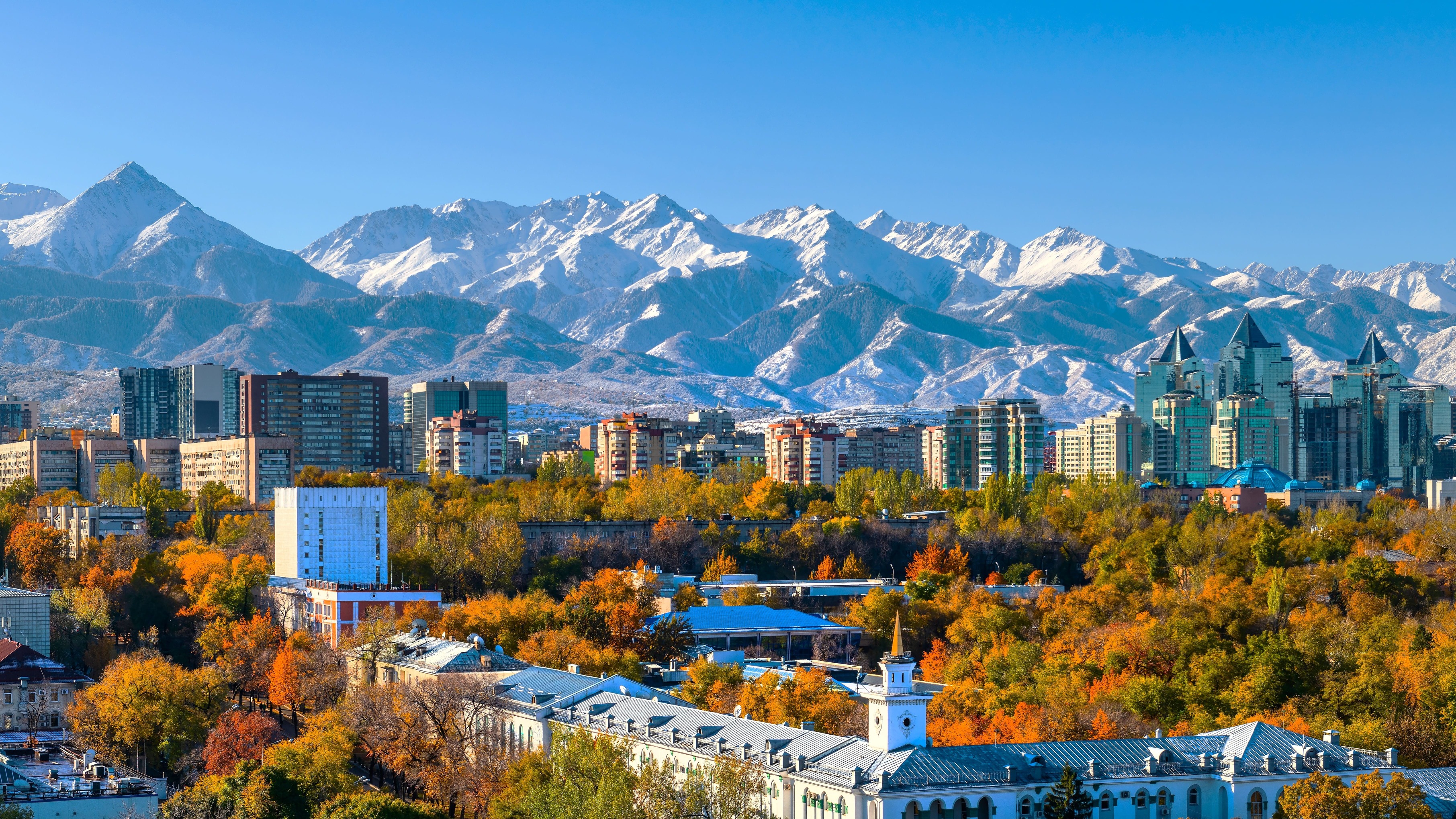
Lake Alakol fits naturally into an itinerary through south-east Kazakhstan. Around Almaty, several sites complement the visit:
- The Kapchagay reservoir, another body of water prized for swimming and water sports;
- The Zharkent mosque, a rare example of Islamic architecture inspired by Chinese design;
- The Aktau mountains, with spectacular colourful reliefs;
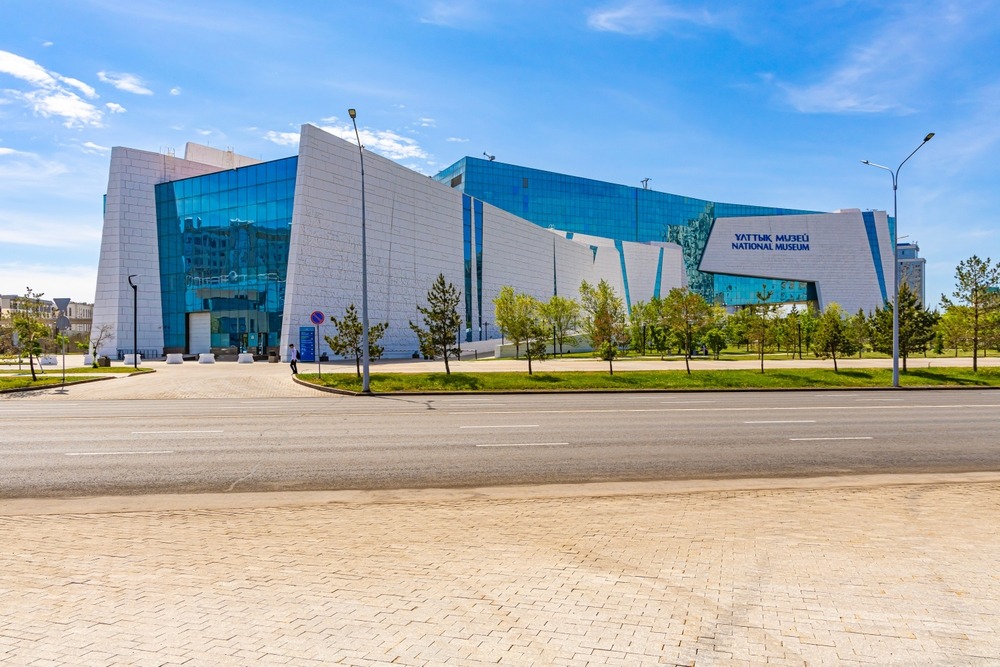
- The National Central Museum in Astana, for the historical context of the country.
Frequently asked questions
Frequently asked questions
Yes, swimming is practised from early July to mid-August, when the water reaches 22 to 25 °C. The black sand and shungite pebble shores are renowned for their mineral properties.
The waters contain chloride, sodium, bromine, fluorine and iodine, and the mud along the shore is used in cures at local sanatoriums. These properties are recognised locally, particularly since the Soviet period when cosmonauts stayed here for rehabilitation.
No, the islands of Ulken Araltobe, Kishken Araltobe and Belkudyk are part of the Alakol State Nature Reserve and access is forbidden within 2 km to protect nesting species. Observation is done from the boat.
Two to four days allow you to combine swimming, bird watching and a boat excursion. For a cure at a sanatorium, plan for one to two weeks.
Koktuma and Akshi on the south-west coast are the most convenient from Almaty and concentrate tourist facilities. Kabanbay, on the north-east coast, is quieter and closer for those arriving from Semey or Ayagoz.
Preparing your trip
Lake Alakol fits easily into a circuit through east and south-east Kazakhstan. To build a bespoke itinerary combining nature, heritage and stopover towns, consult our Kazakhstan journeys.
Interested in this visit?
We can include it in your personalised itinerary.